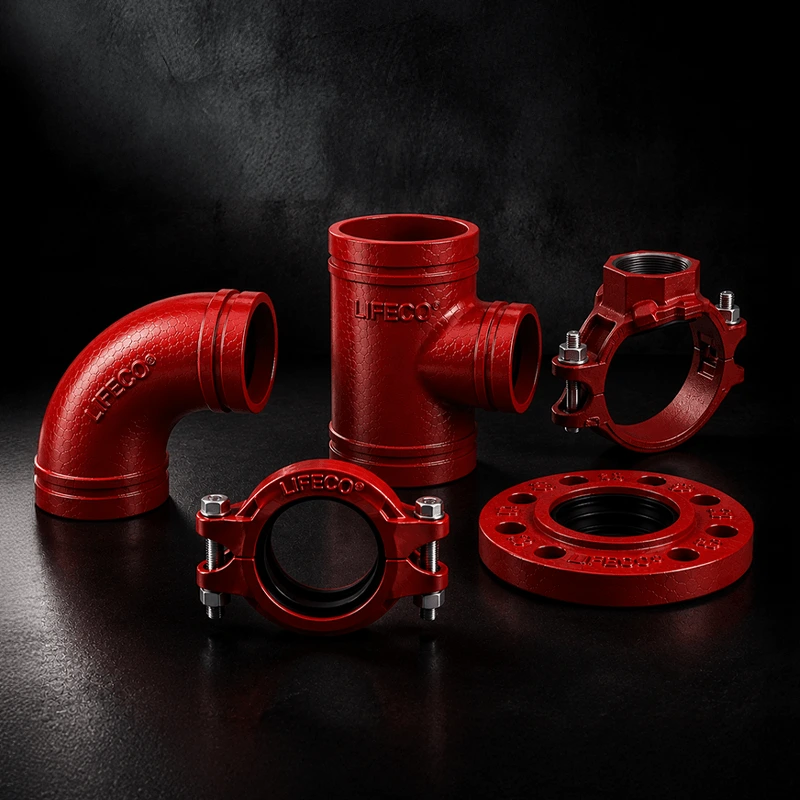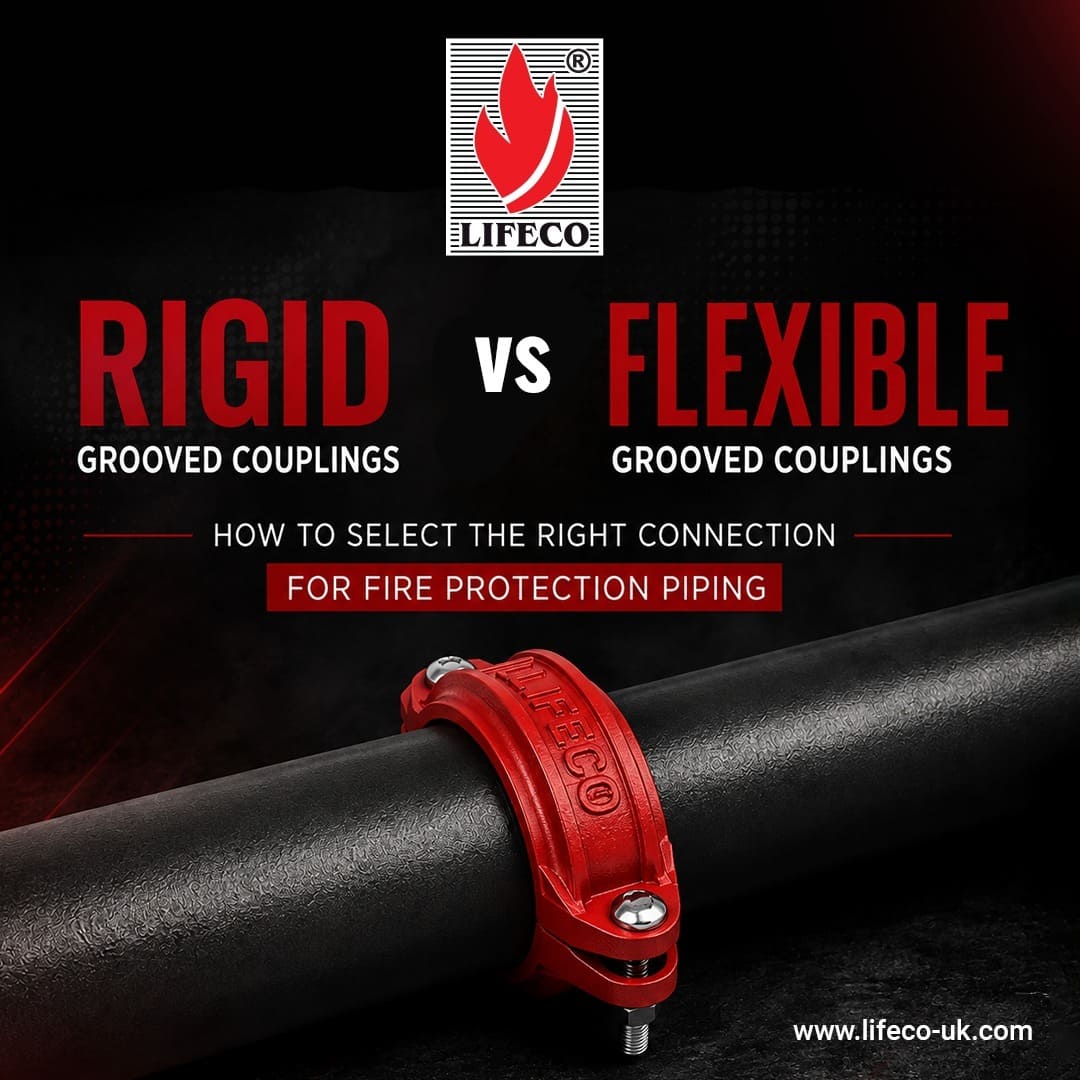
Каждое соединение в сети противопожарных трубопроводов должно способствовать стабильности, целостности и надежной работе всей системы. Рифленые муфты обеспечивают эффективный механический способ соединения стальных труб, но не каждая рифленая муфта выполняет одну и ту же функцию.
Две из основных конфигураций: жесткие рифленые муфты и гибкие рифленые муфты. Хотя они могут казаться похожими, их конструкция предусматривает различное поведение суставов.
Жесткие муфты обычно выбираются в тех случаях, когда соединяемые концы труб должны оставаться в контролируемом, фиксированном положении. Гибкие муфты используются там, где требуется и допускается заданная величина перемещения или отклонения в соответствии с конструкцией системы.
Выбор между ними требует большего, чем просто определение диаметра трубы. Инженеры и подрядчики должны учитывать область применения, требования к перемещению, рабочее давление, технические характеристики трубы, материал прокладки, опоры системы и требования к сертификации.
Оглавление
ПереключатьКак работает муфта с канавками?
Соединение труб осуществляется с помощью канавок, расположенных на внешней поверхности концов труб. Вокруг соединения устанавливается прокладка для обеспечения герметичности, а корпус муфты входит в зацепление с канавками. Болты и гайки фиксируют корпус вокруг соединяемых концов труб.
Поскольку соединение формируется на внешней поверхности трубы, оно помогает сохранить внутренний диаметр для предполагаемого пути потока.
Типичное рифленое соединение включает в себя:
- Два правильно подготовленных и выровненных конца трубы
- Канавки, изготовленные или сформированные в соответствии с требуемыми размерами.
- Прокладка, соответствующая условиям эксплуатации.
- Совмещение сегментов жилья
- Болты и гайки используются для крепления конструкции.
Соединительная муфта, труба, профиль канавки и прокладка должны быть совместимы. Выбор соединительной муфты не должен основываться только на ее номинальном размере или внешнем виде.
Что такое жесткая муфта с канавками?
Жесткая рифленая муфта предназначена для фиксации соединяемых концов труб и обеспечения стабильного соединения. При правильном выборе и установке она обеспечивает необходимую жесткость там, где трубопровод должен оставаться в контролируемом положении.
Жесткие муфты могут применяться в следующих случаях:
- Требуется фиксированное положение трубы.
- Конструкция системы не предусматривает использования движений в суставе.
- Стабильное выравнивание трубопровода имеет важное значение.
- Жесткое соединение определяется проектировщиком системы.
- Конструкция опоры и крепления трубопровода разработана соответствующим образом.
Жесткие соединения не заменяют необходимости в правильно спроектированных опорах, подвесах, анкерах или фиксаторах для труб. Вся трубопроводная система по-прежнему должна быть спроектирована с учетом ее веса, эксплуатационных нагрузок и предполагаемых условий окружающей среды.
Точные характеристики движения, рабочее давление и допустимые области применения должны быть подтверждены с помощью технической документации для выбранной модели и размера муфты.
Что такое гибкая муфта с канавками?
Гибкая муфта с канавками предназначена для обеспечения ограниченного и заданного диапазона перемещения в месте соединения труб. В зависимости от выбранной модели и размера, это может включать заданное осевое перемещение, угловое отклонение или компенсацию незначительных отклонений выравнивания.
Гибкие муфты могут быть рассмотрены в тех случаях, когда при проектировании системы необходимо учесть следующие факторы:
- Определенное движение трубы
- Угловое отклонение
- Вибрация
- Незначительные отклонения в выравнивании
- Перемещение между подключенным оборудованием и трубопроводами.
- Требования к сейсмическим или термическим колебаниям, специфичные для данного проекта.
Любое перемещение, допускаемое гибким соединением, ограничено его опубликованными техническими характеристиками. Гибкое соединение не следует автоматически рассматривать как компенсационный шов или как комплексное решение для защиты от термических или сейсмических деформаций.
Инженер проекта должен оценить ожидаемые перемещения по всей трубопроводной сети, включая совокупное воздействие многочисленных гибких соединений, опор труб, анкеров и подключенного оборудования.
Жесткие и гибкие рифленые муфты
Принципиальное различие заключается в предполагаемом поведении готового соединения.
| Фактор отбора | Жесткая муфта | Гибкое соединение |
| Совместное поведение | Фиксаторы для соединенных концов труб | Разрешает определенное перемещение в пределах установленных ограничений. |
| позиционирование трубы | Поддерживает стабильное, контролируемое положение. | Может обеспечивать заданный прогиб или перемещение. |
| Выравнивание | Предназначено для выравнивания труб с фиксированным положением. | Возможно внесение незначительных корректировок в выравнивание. |
| Вибрация | Обеспечивает жесткое соединение | Может способствовать компенсации вибрации при правильной конструкции. |
| Тепловое движение | Не обеспечивает необходимую гибкость суставов. | При соответствующей конструкции может обеспечивать ограниченную свободу движений. |
| Система поддерживает | Требуется правильно спроектированные опоры и крепления. | Требуются опоры и ограничители, учитывающие допустимое перемещение. |
| Основа отбора | Используется там, где требуется жесткость системы. | Используется там, где требуется контролируемая гибкость. |
Ни одна из конфигураций не является однозначно лучше другой. Правильный выбор зависит от того, как, по прогнозам, будет вести себя соединение в составе всей трубопроводной системы.
Семь факторов, которые следует учитывать при выборе муфты с канавками.
1. Необходимое совместное поведение
Первый вопрос заключается в том, должно ли соединение труб оставаться жестким или допускать движение.
В тех случаях, когда система требует фиксированного положения труб и контролируемого выравнивания, может быть целесообразно использовать жесткое соединение. Если же необходимо компенсировать перемещение, отклонение или вибрацию в заданных пределах, можно рассмотреть гибкое соединение.
Решение должно основываться на конструкции трубопровода, а не только на предпочтениях монтажника.
2. Рабочее давление
Соединительное устройство должно иметь рабочее давление, соответствующее системе.
Соответствующие муфты и фитинги LIFECO с канавками выпускаются с номинальным рабочим давлением до 500 PSI, В зависимости от модели и размера изделия. Это не означает, что каждое соединение, фитинг и конфигурация имеют одинаковый номинальный уровень давления.
В техническом паспорте следует проверить следующее:
- Модель сопряжения
- Номинальный диаметр трубы
- Фактический наружный диаметр трубы
- Опубликованное рабочее давление
- Толщина стенки трубы или стандарт
- Применимые ограничения сертификации
Расчетное и испытательное давление также следует учитывать в соответствии со спецификацией проекта и применимыми требованиями.
3. Совместимость труб и пазов
Рифленая муфта должна быть совместима с трубой, на которую она будет установлена.
Инженер или подрядчик должен проверить:
- Материал трубы
- Номинальный диаметр трубы
- Фактический внешний диаметр
- толщина стенки трубы
- Тип канавки
- Размеры канавки
- Способ создания канавки
- Совместимость с подключенными клапанами, фитингами и оборудованием.
Неправильно подготовленная или несовместимая канавка может повлиять на зацепление корпуса муфты и на работоспособность соединения.
Подготовка трубопроводов всегда должна соответствовать применимым требованиям проекта и последним инструкциям по применению продукции.
4. Движение, вибрация и деформация
Требования к перемещению следует оценивать по всей трубопроводной системе, а не только в одном соединении.
При проектировании гибких муфт конструктор должен учитывать следующее:
- Направление предполагаемого движения
- Требуемое осевое перемещение
- Допустимое угловое отклонение
- вибрация оборудования
- Длина трубы
- Количество и расположение гибких соединений
- Расположение анкеров, направляющих, опор и ограничителей
- Влияние движения на подключенное оборудование
В объектах высокой стоимости, включая центры обработки данных, коммерческие здания и промышленные площадки, способ соединения должен быть согласован с общей конструкцией системы противопожарной защиты.
Гибкие муфты могут помочь в обеспечении заданных параметров движения или вибрации, но их выбор и размещение должны осуществляться в рамках инженерной системы.
5. Материал прокладки и условия эксплуатации.
Прокладка обеспечивает герметизацию между соединенными концами трубы. Ее материал должен быть совместим с рабочей жидкостью, температурой и условиями эксплуатации.
В линейке продукции LIFECO стандартным материалом для прокладок является EPDM. В качестве других доступных материалов для прокладок могут использоваться:
- Нитрил
- Силикон
- Фторэластомер
- неопрен
При выборе прокладки следует учитывать следующее:
- Жидкость, транспортируемая по трубопроводу.
- Минимальная и максимальная рабочая температура
- Воздействие окружающей среды
- Наличие масел или химических веществ
- Влажные или сухие условия системы
- Ожидаемый срок службы
- Требования к техническому обслуживанию
Выбор прокладки никогда не должен основываться только на цвете или общем внешнем виде. Марку материала и совместимость необходимо подтвердить с помощью соответствующей технической документации.
6. Сертификация UL и одобрение FM.
Требования к сертификации особенно важны для проектов в области противопожарной защиты.
Избранные Рифленые муфты и фитинги LIFECO имеют сертификаты UL и одобрение FM, специфичные для каждой модели:
- UL Product iQ record EX29972 Включает в себя указанные муфты с резиновыми прокладками, гибкие муфты, фланцевый адаптер и боковые выходы.
- UL Product iQ record EX29973 Включает в себя указанные фитинги с канавками и гладкими концами.
- Сертификат соответствия FM PR477082 Данный документ охватывает указанные соединительные элементы и фитинги для наземных систем противопожарной защиты в соответствии со стандартом FM 1920.
Объем сертификационного покрытия может варьироваться в зависимости от:
- Модель продукта
- Размер трубы
- Рабочее давление
- Тип подключения
- Конфигурация продукта
- Предполагаемое применение
Наличие знака UL или FM в ассортименте продукции не означает, что каждая доступная модель и размер имеют одинаковую сертификацию.
Перед составлением спецификации или покупкой проектная группа должна подтвердить точную модель и размеры, сравнив их с последней технической документацией UL, FM и LIFECO.
7. Установка и системная поддержка
Работоспособность изделия зависит от правильного выбора, подготовки труб, монтажа и поддержки системы.
Перед началом монтажа подрядчики должны убедиться в следующем:
- Соединительная муфта соответствует размеру трубы и канавке.
- Концы труб должным образом подготовлены.
- Прокладка изготовлена из правильного материала и марки.
- Герметизирующие поверхности чистые и неповрежденные.
- Прокладка установлена правильно.
- Корпуса муфт надежно зафиксированы в пазах.
- Болты и гайки устанавливаются в соответствии с применимой инструкцией.
- Опоры и анкеры для труб соответствуют утвержденной проектной конструкции.
- Завершенная система проверяется и тестируется по мере необходимости.
Монтажный персонал должен использовать последние инструкции LIFECO и утвержденную проектную документацию. Поврежденные или несовместимые компоненты устанавливать нельзя.
В каких случаях следует рассматривать возможность использования жесткого соединения?
Жесткое соединение может быть рассмотрено в следующих случаях:
- Система требует фиксированного положения труб.
- Движение в суставе не предполагается.
- Требуется стабильная центровка.
- Конструкция трубопроводов разработана как жесткая система.
- Опоры, анкеры и ограничители располагаются соответствующим образом.
- Выбранная модель соответствует требуемым параметрам давления и критериям сертификации.
При принятии окончательного решения необходимо учитывать полную конструкцию трубопровода и опубликованные характеристики выбранного соединительного элемента.
В каких случаях следует рассматривать возможность использования гибкого соединительного элемента?
Гибкое соединение может быть рассмотрено в следующих случаях:
- Требуется определённое количество движений.
- Необходимо учитывать угловое отклонение.
- Конструкция должна учитывать вибрацию.
- Ожидаются незначительные отклонения в выравнивании.
- Соединение обеспечивает связь трубопровода с вибрационным оборудованием.
- Общая конструкция опоры и фиксации обеспечивает гибкость суставов.
- Опубликованные критерии движения, давления и соответствия модели требованиям проекта.
Гибкие муфты должны оставаться в пределах заявленных ограничений по перемещению и отклонению на протяжении всего процесса установки и эксплуатации.
Контрольный список выбора рифленых муфт
Перед тем как выбрать или заказать муфту с канавками, подтвердите следующее:
- Требуется ли жесткое или гибкое соединение?
- Каково предполагаемое применение?
- Какое рабочее давление необходимо?
- Какой номинальный диаметр трубы?
- Каков фактический наружный диаметр трубы?
- Из какого материала изготовлена труба и какой толщины стенки?
- Какой профиль и размеры канавки необходимы?
- Ожидается ли движение или угловое отклонение?
- Присутствует ли вибрация оборудования?
- Какой материал прокладки совместим с данным видом топлива?
- Какова рабочая температура?
- Требуется ли какое-либо специальное покрытие или отделка?
- Требуется ли сертификация UL?
- Требуется ли одобрение FM?
- Распространяется ли сертификация на конкретную модель и размер?
- Правильно ли спроектированы опоры, анкеры и крепления для труб?
- Доступны ли последние технические и монтажные документы?
Выбор подходящей муфты LIFECO с канавками.
Жесткие и гибкие рифленые муфты выполняют разные функции в трубопроводной сети. Жесткая муфта используется там, где соединенные концы труб должны оставаться в контролируемом положении. Гибкая муфта допускает определенное перемещение или отклонение в пределах заявленных производителем ограничений.
Правильный выбор зависит от конструкции системы, технических характеристик труб, рабочего давления, ожидаемых перемещений, совместимости прокладок и требований к сертификации.
При проектировании систем противопожарной защиты проектные группы всегда должны проверять, что выбранная модель и типоразмер LIFECO имеют необходимую сертификацию UL или FM и подходят для предполагаемых условий эксплуатации.
Часто задаваемые вопросы
В чём основное различие между жёсткими и гибкими рифлёными муфтами?
Жесткое соединение предназначено для фиксации соединенных концов труб и обеспечения стабильного соединения. Гибкое соединение допускает ограниченное количество заданного перемещения или углового отклонения в зависимости от выбранной модели и размера.
Можно ли использовать гибкую муфту вместо жесткой?
Не автоматически. Жесткие и гибкие муфты обеспечивают различное поведение соединения. Любая замена должна быть рассмотрена с учетом конструкции трубопровода, требований к перемещению, опор, номинального давления и требований к сертификации.
Можно ли использовать жесткие и гибкие муфты в одной и той же трубопроводной системе?
Их можно использовать в рамках одной общей системы, если каждое соединение правильно выбрано и установлено в соответствии с проектной конструкцией трубопровода. Влияние гибких соединений, анкеров, опор и подключенного оборудования необходимо оценивать в совокупности.
Каково максимальное рабочее давление рифленых муфт LIFECO?
Соответствующие муфты и фитинги LIFECO с канавками выпускаются с рабочим давлением до 500 PSI. Фактический номинальный показатель варьируется в зависимости от модели изделия, диаметра трубы и конфигурации.
Все ли муфты LIFECO с канавками имеют сертификаты UL и FM?
Нет. Сертификация UL и одобрение FM распространяются на отдельные модели, размеры и конфигурации. Необходимо проверить наличие сертификации именно для того продукта, который требуется для проекта.
Какой материал прокладки следует выбрать?
Выбор прокладки зависит от рабочей жидкости, температуры и условий эксплуатации. В линейке LIFECO стандартным материалом является EPDM, но для совместимых применений доступны и другие материалы. Перед выбором следует ознакомиться с последней технической документацией.
Получите техническую поддержку для своего проекта.
Нужна помощь в выборе подходящего жесткого или гибкого рифленого соединительного элемента для вашей системы противопожарных трубопроводов?
Свяжитесь с LIFECO для подтверждения наличия модели, номинального рабочего давления, вариантов прокладок, наличия сертификатов и технической документации.
 Назад
Назад