
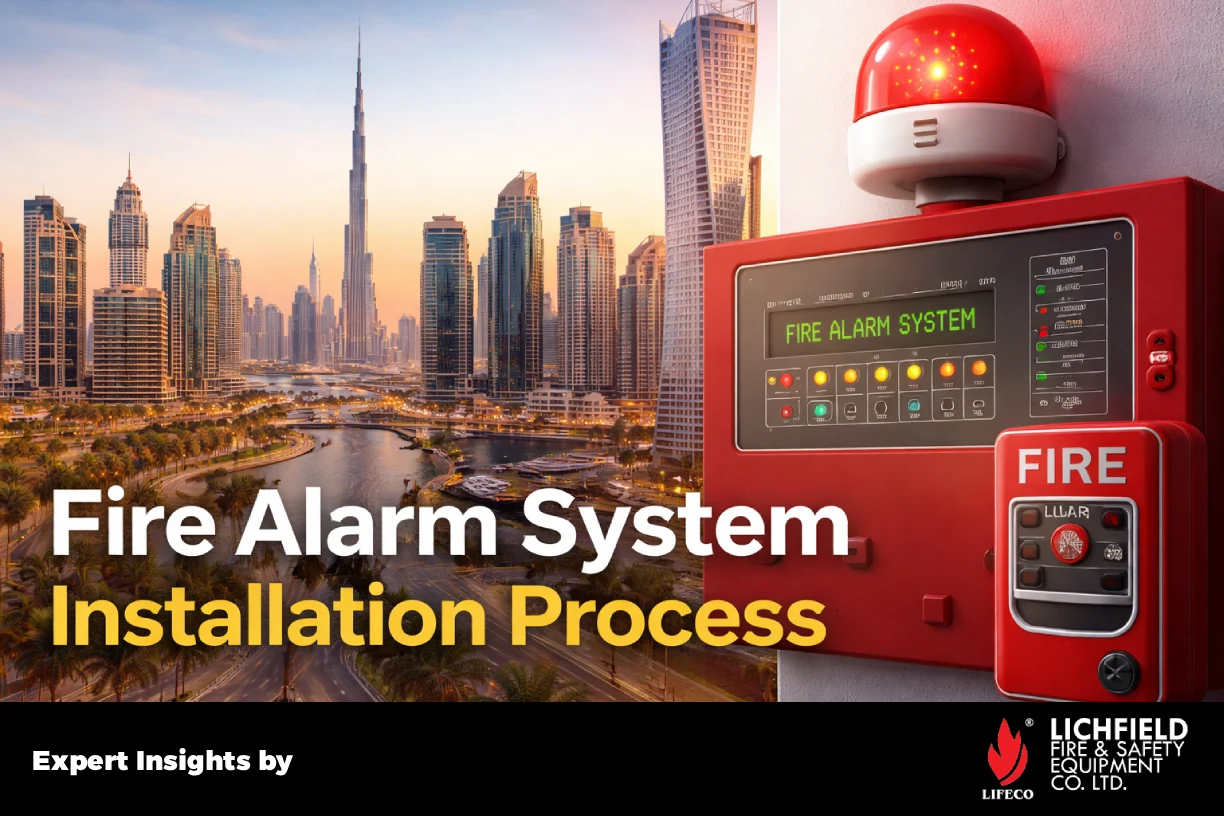
A fire alarm system is a critical safeguard for any building, providing early warning of potential fire and protecting life and property. Its effectiveness depends not only on the quality of the components but also on careful planning, accurate installation, and proper integration with other building systems. A well-designed system ensures timely detection, clear notification, and coordinated responses across the premises.
System Planning and Layout Design
The installation process begins with a thorough assessment of the building and the development of a detailed system layout. This includes evaluating the structure, occupancy, and fire risks associated with the site. The goal is to provide complete coverage of all areas while meeting all regulatory requirements. Considerations include escape routes, high-risk zones, and potential obstacles that could affect detection or alarm notification.
Determining Coverage and Zoning
Zoning is established to ensure that each area is appropriately monitored and that alarms are precise and targeted. Zones may correspond to floors, departments, or specific high-risk areas such as server rooms or laboratories. Correct zoning facilitates faster response by alerting the relevant personnel to the exact location of a fire, improving safety and minimizing damage.
Core Components of a Fire Alarm System
A reliable fire alarm system comprises several core components, each with a defined function in detecting, signaling, and managing fire events. Understanding the role of each element is essential when designing or installing a system.
1. Detectors
Detectors are the system’s primary sensing devices and can be smoke, heat, multi-sensor, or gas based. Smoke detectors respond to airborne particles, heat detectors to temperature changes, and multi-sensor units combine both functions. Gas detectors provide early warning in areas where flammable gases may be present. Placement is determined by the type of detector, risk level, and coverage requirements.
2. Call Points
Manual call points allow occupants to trigger an alarm if a fire is observed. They are positioned along escape routes and at exit points, ensuring immediate accessibility. This redundancy complements automatic detection, providing a secondary method of alerting the system.
3. Control Panels
The control panel acts as the system’s central hub by receiving signals from detectors and call points and coordinating alarm responses. Systems can be conventional, managing fixed zones, or addressable, providing individual device identification and enhanced monitoring capabilities. Proper configuration ensures that all devices communicate effectively.
4. Fire Alarm Cables and Wiring
Fire-rated cabling connects all devices to the control panel. Installation must comply with British Standards, ensuring containment, routing, and separation from other services to prevent interference or damage. Correct installation is crucial to system reliability and regulatory compliance.
5. Sounders and Strobes
Audible and visual notification devices alert occupants to evacuate. Their positioning considers coverage, audibility, and visibility to ensure occupants in all areas receive the alarm promptly. Sounders and strobes are essential for safe evacuation and must meet specified intensity and placement requirements.
Installation Phases of a Fire Alarm System
The physical installation of a fire alarm system is carried out in a structured sequence, divided into first fix, second fix, and programming stages. Following this method ensures both safety and efficiency while maintaining compliance with required fire safety standards. Each stage is planned carefully to reduce disruption, guarantee correct device placement, and ensure the system operates reliably once commissioned.
First Fix – Cabling and Containment
The first fix involves installing cabling, conduits, and containment before mounting devices. This stage includes planning routes for cables, securing conduits to walls or ceilings, and verifying that installation will not interfere with other building services. A proper first fix provides the foundation for all subsequent work.
Second Fix – Devices and Panels
During the second fix, detectors, call points, sounders, and control panels are mounted and connected to the previously installed cabling. Attention is given to alignment, secure installation, and compliance with the approved layout. At this stage, the system begins to take physical form.
Programming and Addressing
For addressable systems, each device must be assigned a unique address and configured within the control panel. Programming ensures correct zone identification, alarm thresholds, and integration with other systems. Verification of all devices at this stage is critical to guarantee operational functionality.
Integration with Other Building Systems
Fire alarm systems are most effective when fully integrated with other safety and operational systems, ensuring a coordinated and timely response during an incident. Proper integration allows the system to work alongside sprinklers, elevators, HVAC units, and other building controls, helping to manage smoke, prevent fire spread, and support safe evacuation.
Fire Suppression Systems
Integration with sprinklers or gas-based suppression systems allows the alarm to trigger extinguishing mechanisms automatically. This ensures that fire control measures are activated immediately, limiting potential damage.
Elevators
Integration prevents the use of elevators during an alarm, recalling them to a safe floor to support evacuation. This avoids trapping occupants and ensures compliance with safety regulations.
HVAC Systems
Fire alarm systems coordinate with HVAC units to control smoke ventilation, prevent the spread of fire, and maintain safe evacuation routes. Timely activation of HVAC shutdown or smoke control systems is vital for life safety and damage mitigation.
Testing and Commissioning Process
Once installation is complete, the system undergoes comprehensive testing and commissioning. Each detector, call point, sounder, and panel is tested for correct operation. Integration with suppression, elevator, and HVAC systems is verified. Documentation is completed, including commissioning certificates and as-built drawings, confirming compliance readiness for use.
Maintenance Planning
A fire alarm system requires ongoing maintenance to remain effective. Regular inspections, functional testing, and servicing are scheduled according to regulatory guidance. Maintenance ensures reliability, prolongs system life, and maintains compliance with legislation and industry standards. Proper planning reduces the risk of failure during an emergency.
Lifeco Capabilities in Fire Alarm System Installation
At Lifeco, we provide full support for every stage of fire alarm system installation. We supply complete systems, carry out design engineering, handle programming and integration, and offer ongoing maintenance.
With over 25 years of expertise in both conventional and addressable systems, we ensure reliability and compliance. We also manage integration with fire suppression, elevators, and HVAC systems, delivering a comprehensive, tailored fire safety solution that meets the specific needs of each building.
 Back
Back


