
Fire protection starts with understanding how different fire pumps work. Each pump plays a specific role in keeping water moving when it matters most. An electric fire pump delivers steady power, while a diesel unit provides reliable backup during outages. A jockey pump keeps the system pressurised, so the main pumps activate only when needed. These systems are essential for life safety because they supply the force behind sprinklers, hydrants, and hose reel networks.
Keep reading to learn how each pump works together to support reliable fire protection.
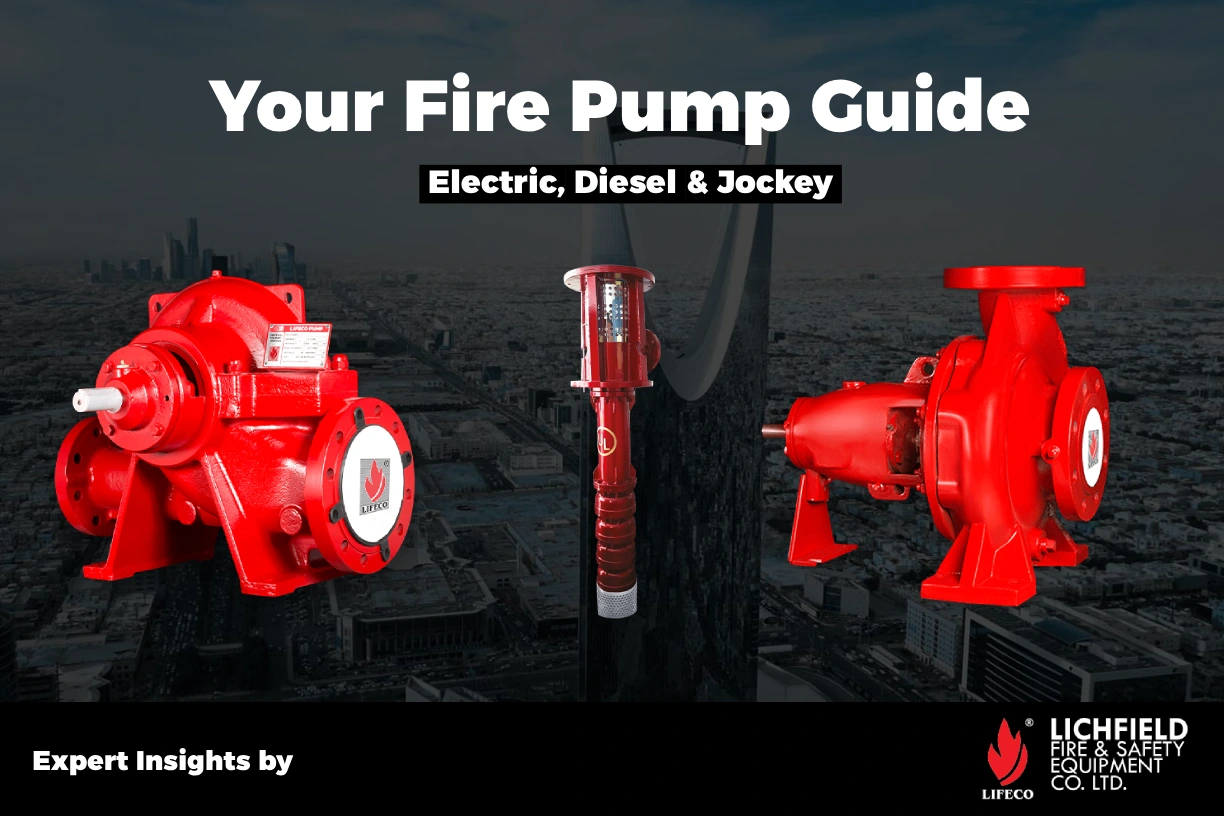
How Fire Pumps Maintain Pressure and Flow in Water-Based Systems
Fire pumps keep water-based fire protection systems stable by boosting pressure and flow when the normal supply cannot keep up. They help sprinklers and hydrants operate effectively by pushing water through the network with enough force. A fire pump controller manages start-up and shutdown signals, ensuring quick response without unnecessary cycling, even during sudden increases in demand. System demand often rises sharply when sprinklers activate or hose lines open. When the supply cannot deliver enough flow, fire pumps increase pressure to meet that requirement.
Many facilities use a standby fire pump to support the main unit, keeping the system operational. Pressure drops are usually the first sign that the system needs support. When pressure falls below a preset level, the pump receives the signal to start. Sensors, controls and activation logic work together to deliver a fast and stable response. By maintaining consistent pressure throughout the network, the pumps ensure every sprinkler head receives sufficient flow, even on upper floors or in remote areas of the building.
Electric Fire Pumps: High-Efficiency and Low-Maintenance Operation
An electric fire pump offers a dependable way to keep water flowing during a fire event. Its streamlined setup keeps routine tasks simple, and its clean operation makes it an excellent choice for projects that prioritise steady performance without constant attention. These pumps work effectively in enclosed rooms, clean mechanical spaces, and locations where noise must be kept low. Their compact design allows engineers to place them in restricted areas without reducing system capacity.
For perfect operation, a reliable electrical supply is crucial. Buildings often include backup generators or alternate feeders to keep the pump powered during emergencies. Clear wiring paths, protected circuits and tested transfer switches support dependable operation and reduce the risk of downtime. These pumps integrate seamlessly with modern controllers. Real-time dashboards help teams track flow, motor temperature, and alarm conditions, while automatic alerts enable quick responses. Streamlined wiring lowers setup time, and remote access helps facility teams maintain system awareness during critical moments.
Diesel Fire Pumps: The Critical Backup for High-Risk and Mission-Critical Sites
Diesel fire pumps play a vital role in protecting high-risk and mission-critical sites. They are used when conditions are challenging and the electrical supply is unreliable. Many facilities experience power drops, making a diesel fire pump the dependable option. It remains ready to run even if a blackout occurs during an emergency. Its mechanical drive avoids electrical issues and ensures the water supply stays intact throughout critical situations. This stability supports fire protection systems to operate without interruption.
A diesel setup requires careful planning. Fuel storage must be sized for hours of operation. Equipment rooms need proper ventilation for heat control and a clear exhaust path. Adequate space around the unit also allows maintenance crews to work safely and efficiently. Industrial facilities and remote sites often select diesel units for their independent operation and reliable certification, such as a UL-listed fire pump. This combination makes diesel systems a practical choice for demanding environments.
Jockey Pumps: The Pressure-Stabilising Component of the System
A jockey pump in a firefighting system plays a quiet but essential role in keeping the entire setup stable. It runs in the background to maintain system pressure, compensating for small leaks or minor drops. This simple action ensures the network stays ready for sudden demand and supports smooth operation across all connected lines.
A jockey pump maintains the preset pressure level by sensing small changes and correcting them immediately. It activates briefly, restores the required pressure and then shuts off. This keeps the system stable without straining other equipment.
By correcting slight pressure drops, the jockey pump prevents the main firefighting pumps from cycling on and off, reducing unnecessary starts and protecting mechanical and electrical components. With fewer starts, the system operates more efficiently, reduces long-term wear, minimises energy waste, and helps maintain the designed fire pump flow rate.
Essential Supporting Components for a Complete Pump System
A reliable pump setup depends on a collection of well-matched components that keep everything operating safely. One of the most important elements is the fire protection valve lineup. OS and Y valves, gate valves, butterfly valves and check valves each play a specific role in controlling flow and preventing back-pressure issues. Together, they help the system move water smoothly and respond quickly during an emergency. These components work alongside other fire pump system parts to form a dependable arrangement.
Waterflow and pressure switches are also critical. They trigger alerts the moment movement or pressure shifts occur, helping teams react quickly and maintain equipment health. Pressure gauges support routine diagnostics by verifying performance during commissioning and confirming readiness for real service.
Fire pump control panels bring everything together. Their automation logic supports safe starts, transfers and shutdowns, keeping the fire pump for industrial use operating under stable conditions.
Typical Applications Across Key Facility Types
Fire protection needs differ across facilities.
- Malls and commercial centres: These facilities experience varying foot traffic and require consistent fire protection throughout the day. Long pipe runs can challenge system pressure, so teams focus on maintaining steady flow and straightforward control. A fire pump for sprinkler systems supports this balance.
- High-rise buildings: Tall structures depend on reliable pressure distribution to reach every level. Multi-zone layouts regulate demand across upper and lower floors. Straightforward monitoring practices reduce stress on equipment. When planning fire safety for high-rise buildings, operators often review pump setups to understand the advantages of electrical and diesel configurations.
- Industrial plants: These facilities handle chemicals, heat, and complex processes. Fire protection must remain stable despite strict hazard ratings. Diesel units are valued for steady power under tough conditions. Teams prefer layouts that stay functional during outages and heavy plant activity.
- Data centres: Data centres rely on consistent cooling and uninterrupted operations. Fire pumps must deliver stable pressure to safeguard racks and interconnected rooms. Clear routines help maintain uptime. Quick-start systems and simple designs support predictable performance during unexpected alarms.
Lifeco’s End-to-End Expertise in Fire Pump Solutions
At Lifeco, our team works closely with you to align system performance, layout and long-term operability. Our certified product range supports different site conditions and requirements. Each fire pump is tested to meet the required fire pump pressure rating, ensuring stable performance during emergencies. We assist with design reviews, hydraulic calculations, and complete system integration.
Our engineers explain flow needs, pump selection and control logic, including how main fire pump and jockey pump functions differ in daily operation. We also support documentation, approvals, and alignment with regional codes to make compliance efficient and stress-free. Across the region, our team provides training, inspections and responsive support to keep your system running smoothly.
 Back
Back


